UTMB
Drs. Niesel and Herzog Medical Discovery News - bridging the world of medical discovery and you...
HomeAbout UsRadio ShowsPodcastListener QuestionsRadio StationsContact Us
 
This Show's About...

This radio program is a weekly series of episodes that provide insights into a broad range of biomedical science topics. We hope these episodes stimulate you to think, question and appreciate how science impacts you and your world.

University Federal Credit Union - Live, Learn, Prosper


This Week's Episode...

Breast Cancer and Light

Breast Cancer and Light Did you know that breast Cancer rates in the industrialized world are five times higher than in developing nations?

And there are many theories explaining why. One suggested that artificial lighting at night can increase a woman’s risk of breast cancer. This sounded outrageous at the time, yet it is now getting serious re-consideration.

Researchers have a renewed interest because multiple epidemiological studies show women working night shifts experience a sixty percent higher chance of getting breast cancer.

What they’ve found is a connection to the hormone melatonin. Melatonin is produced in the brain by the pineal gland and its purpose is to regulate our sleep – wake cycle.

Melatonin levels rise in the evening when it’s getting dark and prepares our bodies for sleep. As morning approaches melatonin levels fall and we start to wake up.

For night shift workers this cycle is disrupted because artificial lighting entering the eye signals the brain not to make melatonin. How does this raise the risk of breast cancer? It has to do with the interplay between melatonin and a nutrient called linoleic acid. It’s a fatty acid found in foods like fish oils. We need it for healthy hair and proper wound healing.

The downside is linoleic acid also enters cancer cells and promotes their growth. Here’s where melatonin comes into play. Researchers recently found in lab studies that at night when melatonin is highest, it stops linoleic acid from entering tumor cells and therefore slows their growth.

But night shift workers exposed to bright light at night would not produce melatonin and their tumor cells would continue to grow and spread.

The connection is fascinating but we need more studies. Nonetheless it brings us closer to identifying a cause of breast cancer which is expected to kill forty thousand women in the U.S. this year.

For more information…

On The Edge…

"Important New Data on Breast Cancer Detection and Diagnosis"
RThe results of a new study has revealed that a combination of X-Ray mammography and sonograms are 98% effective in ruling out cancers in patients with palpable breast lesions. In addition, studies indicate that breast cancer patients that had an MRI prior to surgery had changes made to their treatment plans. This information can influence the choice in the kind of surgery required and can provide important information about the blood flow to the tumor which can be an indication of its potential to spread.
For more information...


"The 2008 Flu Season is the Worst in Four Years"
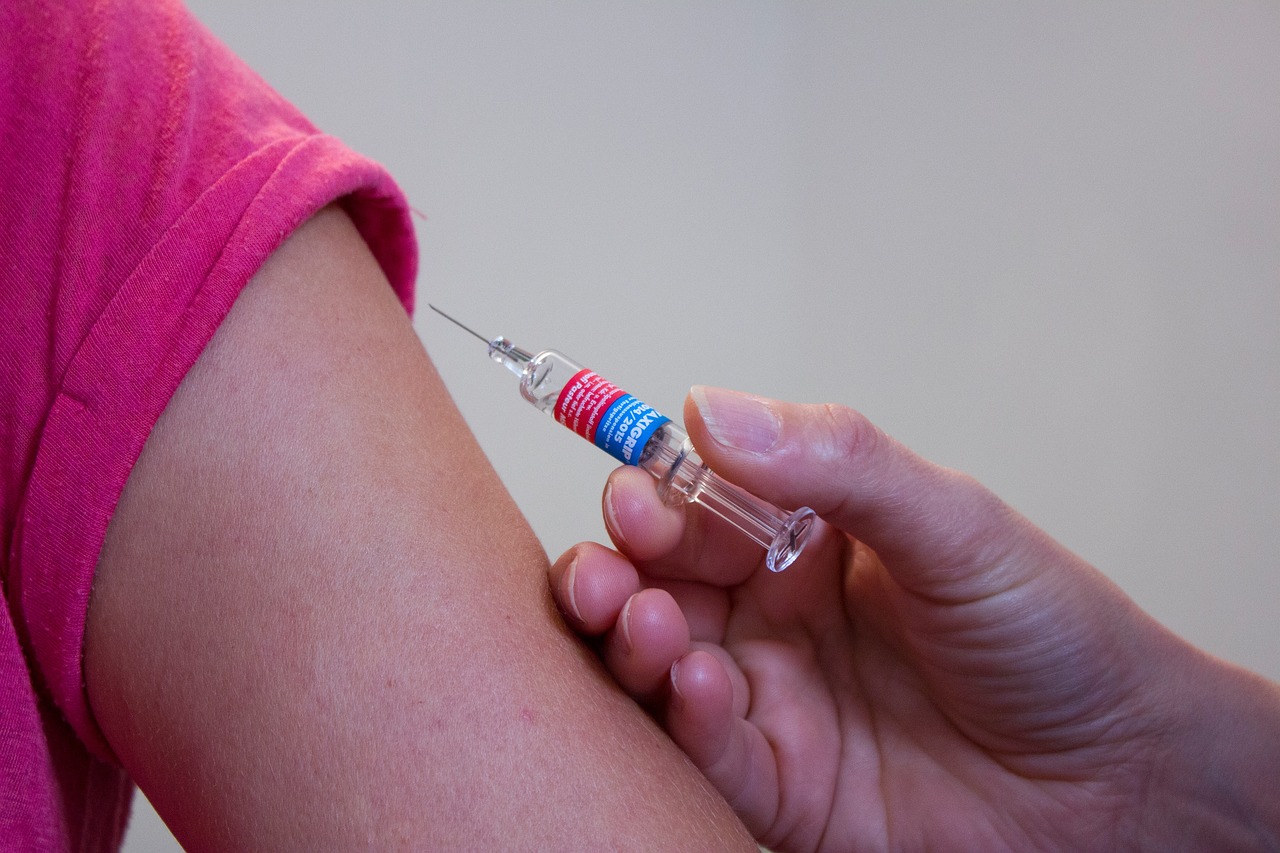
AThe flu season this year was much worse than anticipated and is the worst in fours years in part due to the ineffectiveness of this years vaccine. Scientists try to determine which flu strains will arise next year by monitoring the flu strains that are circulating in East Asia and Southeast Asia the year before. This time they guessed wrong and two of the three strains in the 2008 vaccine were not the right ones to protect us against the strains that are circulating. Although the vaccine was not ideal, it still did offer some protection. This has happened before, in 1997-98, when the vaccine was completely ineffective. The CDC is promoting changes and improvements in the flu surveillance program to ensure that the vaccines are more protective. The flu vaccine remains the best way to protect yourself from the flu. Remember, 35,000 people in the US die of the flu every year.
For more information...


"Cholesterol Test Without the Ouch"
There is now a test that can be used to measure the sterol levels in the skin that correlate closely with levels of good HDL cholesterol and of C-reactive protein, a marker of inflammation that is a risk factor for cardiovascular disease. A small plastic device is used to scrape some skin from the palm of the hand. This sample is sent to a laboratory which determine the level of cholesterol in the skin which correlates with your risk of heart disease. This is a new version of a test that has been in use in Europe and Canada. As opposed to the current blood test, it does not have to be done on people that have been fasting and of course, there is no needle involved. The downside, is that the sample must be sent to a lab as opposed to the on the spot results that can be obtained with some blood based tests.
For more information...


"Your Mom was Right… Practice Your Piano or Violin!"
In 1995, it was discovered that the corpus collosum, the structure that connects the two sides of the brain, of musicians who starting playing before the age of 7 was unusually thick. To determine, why Gottfried Schlaug, used MRI to study the corpus callosum of children who were learning to play piano or violin. The group that practiced at least 2.5 hours per day showed distinct increases in the size of the corpus callosum that serves as the information super highway between the two sides of the brain. Students who rarely practiced or gave up the instruments did not show this change. Furthermore, using non-musical tests, the students who practiced their musical instruments more also showed enhanced neural connections related to planning and coordinating movements between the two hands. The scientists are now continuing their analysis of these children to determine what other benefits arise from this early musical training and are looking to see if similar changes occur at older ages.
For more information...


home | about us | radio shows | podcast | listener questions | radio stations | contact us | disclaimer

©2006-2007 Drs. David Niesel and Norbert Herzog. All Rights Reserved.
The University of Texas Medical Branch. Please review our site policies.
Send mail to J. Junemann with questions or comments about this web site.