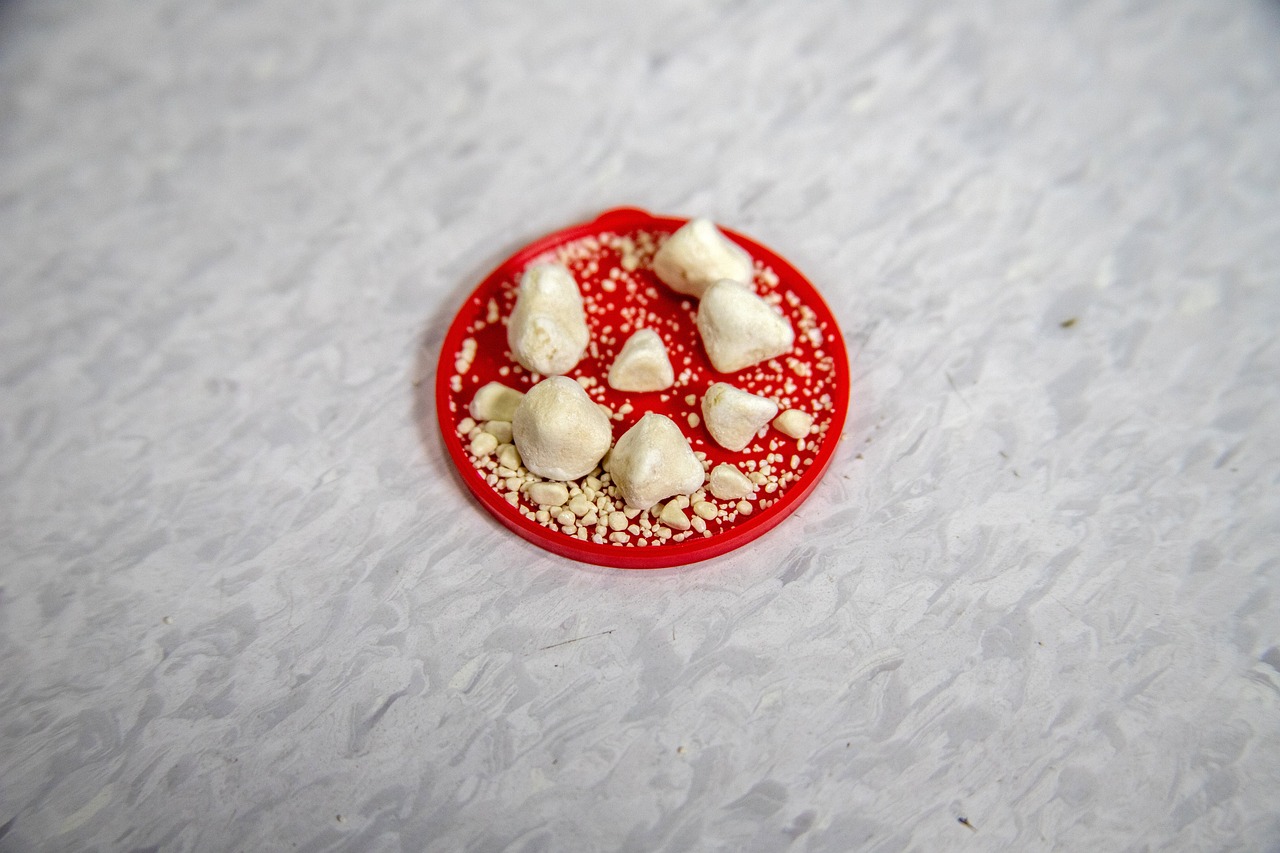
Using Magnets to Remove Kidney Stones
Passing a kidney stone is so painful even women who’ve given birth say the pain is worse. About 1 in 10 Americans have kidney stones and most leave the body naturally through drinking a lot of water.
But some people need medical treatment, often with ureteroscopic laser lithotripsy. A flexible tube inserted into the urinary tract shoots a beam of laser at the stones to break them up. A doctor guided by a camera in the tube gathers the fragments using a small wire basket. But it’s not a full proof method. In 40 percent of patients, fragments remain and continue to make them uncomfortable. And they may need surgery again.
Researchers may have found a much better method using magnets. It’s called Magnetic System for Total Nephrolith Extraction. Again, using a tube inserted into the urinary tract, a gel that contains superparamagnetic iron oxide nanoparticles is released. They bind to exposed calcium ions on the stone surfaces. In the gel is also a biopolymer that forces the stone pieces to clump together making them easier to remove. Then a magnetic wire is inserted to draw the coated, magnetized stone remnants, removing many stones at once, even small fragments the basket misses.
In tests on pigs, even though most of the hydrogel was removed by the magnetic wire, further studies will need to show whether all of it will clear on its own. If so, this method may be worth its weight in magnets.
More Information
Magnetized approach to kidney stone retrieval outperforms standard methods in preclinical study
Stanford University has unveiled a ureteroscopy-compatible device that magnetizes and retrieves kidney stone fragments with a wire, with performance in a pig model beating traditional removal techniques.
A magnetic hydrogel for the efficient retrieval of kidney stone fragments during ureteroscopy
Only 60-75% of conventional kidney stone surgeries achieve complete stone-free status. Up to 30% of patients with residual fragments <2 mm in size experience subsequent stone-related complications. Here we demonstrate a stone retrieval technology in which fragments are rendered magnetizable with a magnetic hydrogel so that they can be easily retrieved with a simple magnetic tool.