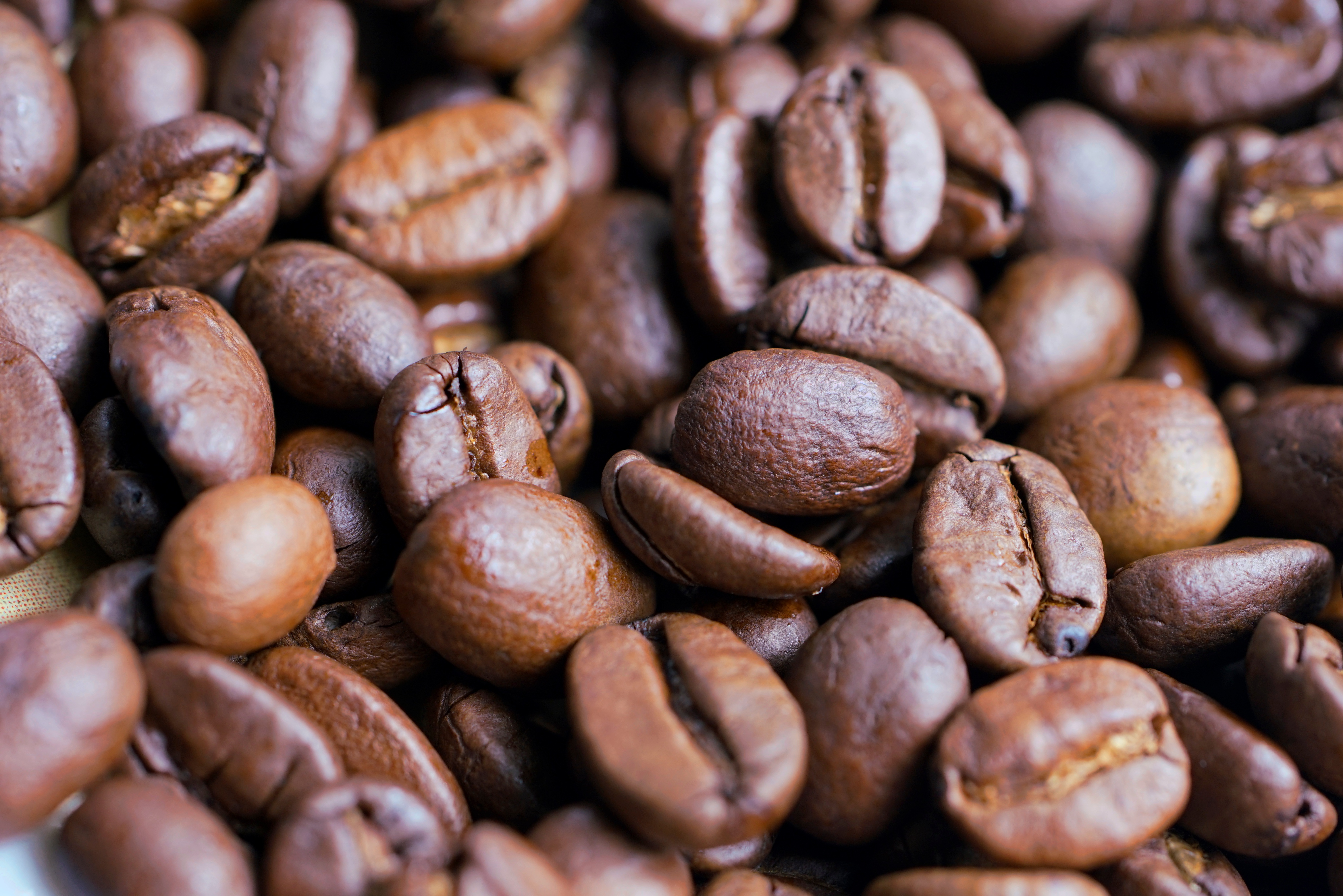
Can Drink Coffee Lower Your Dementia Risk?
Sometimes in our fractured society of polarizing politics and algorithm driven social media feeds, we struggle to find something we all share. But Dave and I are here to the rescue. Yep, we present – America’s most popular drink - coffee! Two-thirds of us drink coffee, up to three cups a day on average.
Not only is this amount safe for you, but research has also shown coffee can be good for you. Moderate amounts are linked to lower risk of irregular heart rate and could lower the risk of certain cancers, kidney or gall stones, and even diabetes.
Thank the bioactive compounds in coffee such as antioxidants like polyphenols and catechins that protect blood vessels and might lower brain inflammation. A recent study in the Journal of the American Medical Association shows moderate coffee and tea intake may also be linked to a lower risk of dementia. The Harvard research used data from two large studies: one involving about 90,000 women, average age 46, and a second study with about 40,000 men, average age 54.
Every 2 to 4 years, they were tested for verbal memory, executive abilities, and attention span. Some were followed for more than 40 years.
Eight percent of them got dementia but moderate coffee drinkers had an 18 percent lower risk of it. They were also six months younger cognitively. Sorry decaf drinkers – you don’t get the benefits. As for me, gotta go Norbert. Need my afternoon pick-me-up!
More Information
Coffee and Tea Intake, Dementia Risk, and Cognitive Function
In this prospective cohort study of 131 821 individuals from 2 cohorts with up to 43 years of follow-up, 11 033 dementia cases were documented. Higher caffeinated coffee intake was significantly associated with lower risk of dementia. Decaffeinated coffee intake was not significantly associated with dementia risk. Higher caffeinated coffee intake was associated with more favorable cognitive outcomes.
Caffeine and the risk of dementia
Learn about research into the link between drinks containing caffeine, such as tea and coffee, and the risk of developing dementia.