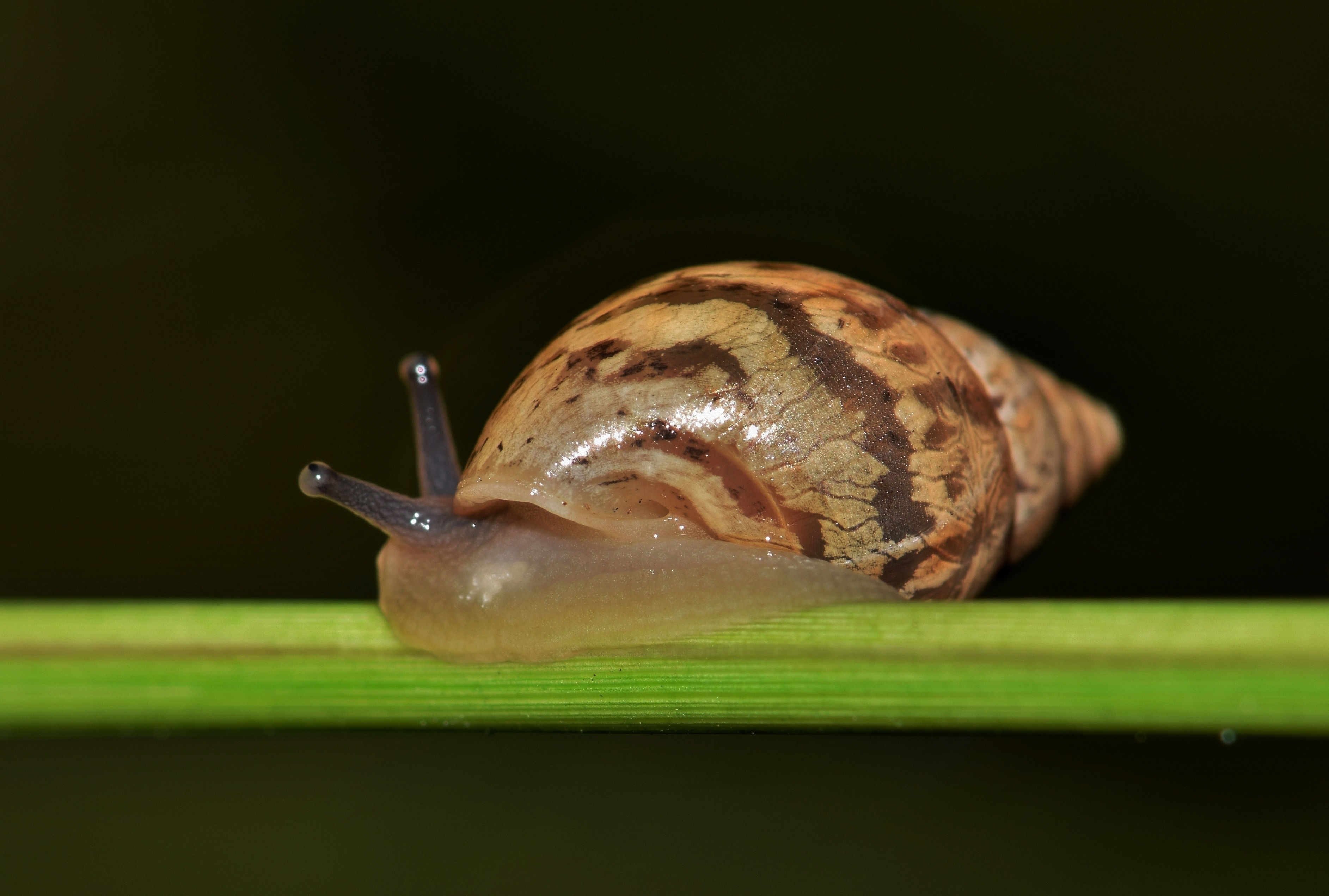
Beautiful But Deadly
If you have a seashell collection, are there any cone shaped ones? If so, it may have been used to house one of the most venomous animals to humans! The cone snail is also known as cigarette snail because there’s only time to smoke a cigarette before paralysis sets in. While that’s an exaggeration, a severe sting can paralyze and kill a person.
Ironically, that venom is also being studied and used to relieve people of pain and other ailments. A single species of cone snail can carry more than one thousand different venom peptides. And there are 800 types of cone snails, each having evolved a distinctive cocktail of venoms and thus the potential for a variety of therapies.
Some cone snails inject venomous toxins into their prey by firing a miniature harpoon-like tooth. Studying them has allowed scientists to develop drugs such as ziconotide, derived from the magician cone snail for chronic pain that does not respond to opioids. Another toxin being studied could help with chronic nerve pain caused by chemotherapy-induced neuropathy.
Even though cone snails are slow moving, some large ones release a fast-acting insulin-like toxin into the water to trigger hypoglycemia in nearby fish, slowing them so they’re easier to catch. Makes us wonder whether this holds promise for diabetes.
We also hope that since many of these toxins act on nerve cell communication, one day, they can be used to treat neurological disorders such as Parkinson’s or Alzheimer’s.
More Information
Pain Therapeutics from Cone Snail Venoms: From Ziconotide to Novel Non-Opioid Pathways
There have been numerous attempts to develop non-opioid drugs for severe pain, but the vast majority of these efforts have failed. A notable exception is Ziconotide (Prialt®), approved by the FDA in 2004. In this review, we summarize the present status of Ziconotide as a therapeutic drug and introduce a wider framework: the potential of venom peptides from cone snails as a resource providing a continuous pipeline for the discovery of non-opioid pain therapeutics.
One of The Ocean’s Deadliest Snails Gave Us a Nonaddictive Painkiller and Scientists Say They Have Barely Scratched The Surface
They hide a vast chemical arsenal that researchers are mining for pain, diabetes, and brain disease therapies.