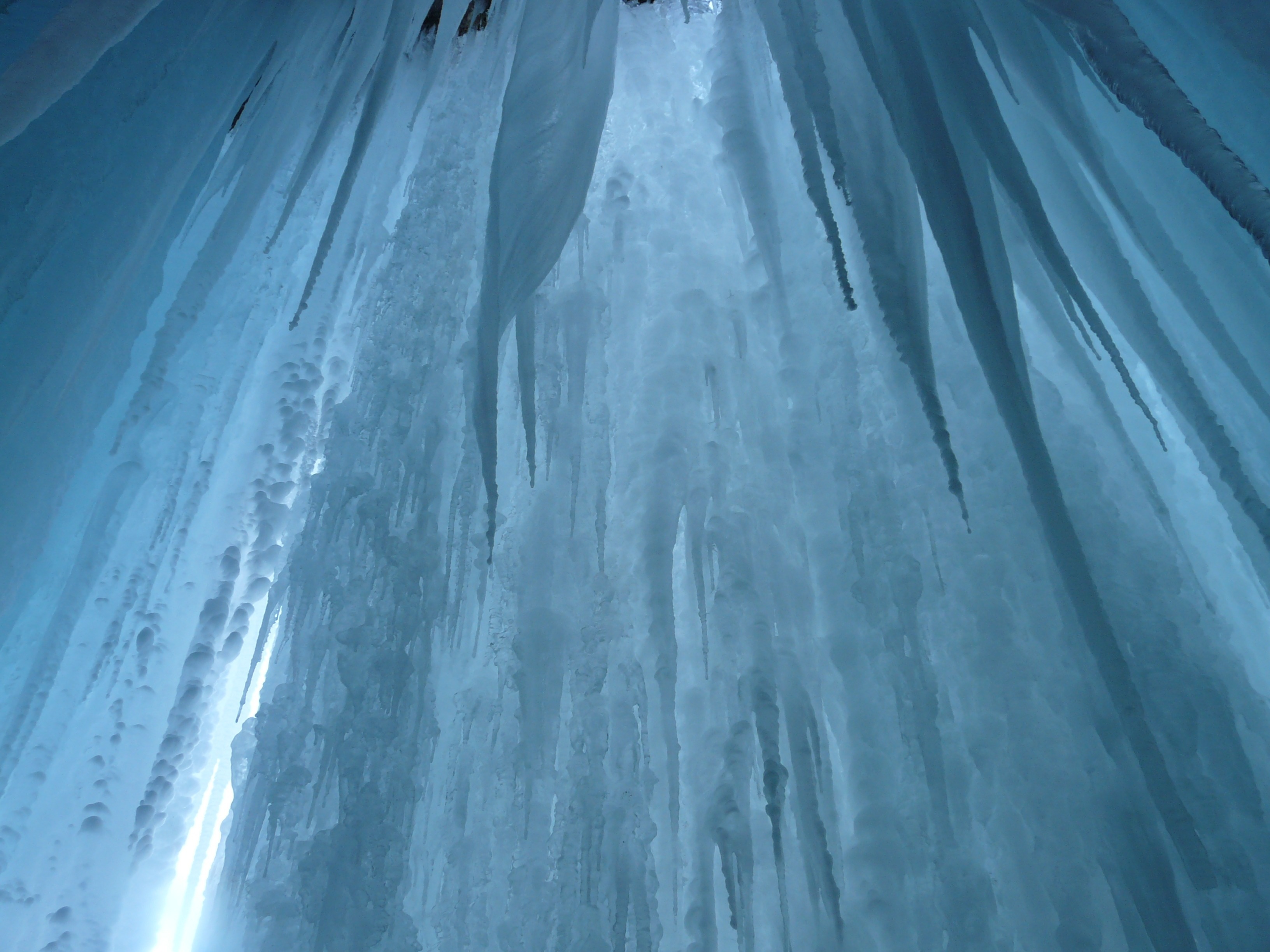
Bacteria on the Rocks
As microbiologists, we’re especially interested in microbial discoveries and a new one was found in an extreme environment, from deep within the oldest ice formation in the world. Scientists found the bacterium in Romania’s Scarisoara ice cave which dates back 13,000 years. The new microbe, Psycrobacter SC-65-A.3, thrives in the cold and is resistant to salt. Scientists found it inside an 82-foot ice core. The deeper they drilled, the further back in time they went, going back 5,000 years.
An analysis of Psycrobacter’s genome showed that its proteins are extremely efficient in cold temperatures, which is unusual for microbes. It also has more than 100 genes that make it resistant to several modern antibiotics, and it produces compounds that can kill common disease-causing bacteria. Scientists don’t know how this bacterium, which has been in “cold storage” for thousands of years, evolved genes to make it resistant to antibiotics or possess the ability to kill other bacteria. It’s possible that these features allow Psychrobacter to outcompete other bacteria in their environment.
While we can get excited about these discoveries, we also recognize the threat these microbes pose to humans. Climate warming is thawing permafrost and releasing microbes into the environment. Studying them is one way for us to stay one step ahead and be prepared to protect ourselves if needed.
More Information
Bacteria frozen in ancient underground ice cave found to be resistant against 10 modern antibiotics
Bacteria lurk everywhere. However, it’s only after researchers retrieve them from the most remote corners of the Earth that we can learn more about the risks and potentials they pose. When researchers examined a bacterial strain discovered in 5,000-year-old layers of cave ice, they found it resistant to 10 modern antibiotics and harboring even more genes related to resistance. Yet, it also showed promising enzymatic activities and could inhibit the growth of ‘superbugs’ resistant to multiple antibiotics.
First genome sequence and functional profiling of Psychrobacter SC65A.3 preserved in 5,000-year-old cave ice: insights into ancient resistome, antimicrobial potential, and enzymatic activities
Ancient cryospheric environments may preserve overlooked reservoirs of antimicrobial resistance (AMR) and bioactive potential. This study reports the first whole-genome sequencing and functional characterization of Psychrobacter sp. SC65A.3 isolated from 5,000-year-old ice from Scărișoara Ice Cave, revealing a multidrug-resistance phenotype alongside antimicrobial activity.